
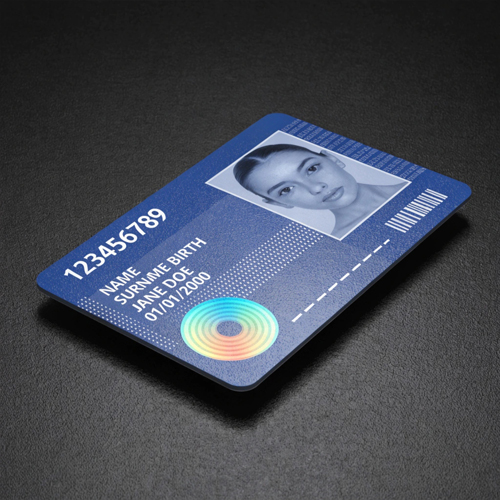
Are your current ID cards easy to fake? This vulnerability risks national security and citizen identity. Polycarbonate (PC) cards1 offer a superior, virtually tamper-proof solution for official documents.
Polycarbonate (PC) is the ultimate material for high-security ID cards. Its unique properties, like laser engraving data2 inside the card and fusing layers without weak adhesives3, make it extremely durable and tamper-proof. This is why governments worldwide trust it for critical documents like national IDs and passports4.
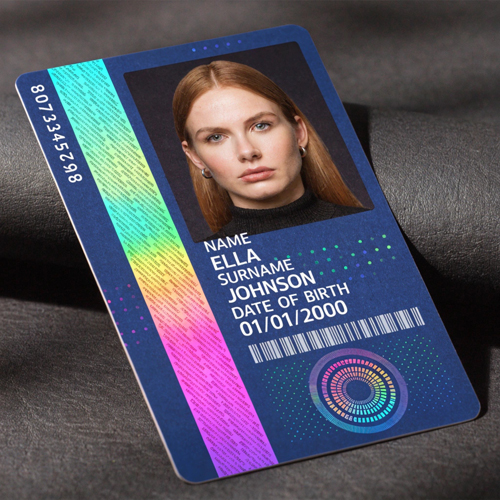
When I talk to government officials about new ID card projects, the conversation always turns to material choice. It's the foundation of the entire document's security. While many are familiar with standard plastic cards, they are often surprised to learn just how big the security gap5 is between those and true polycarbonate cards. It’s a difference that can define the integrity of a national identification system6. Let's explore exactly what makes PC the undisputed champion for high-security documents and why it should be your only consideration for projects that demand the best.
How Is Polycarbonate So Much More Secure Than PVC?
Choosing the right material for national ID cards is critical. A poor choice, like standard PVC, can lead to widespread fraud and compromise citizen data. Understanding the core differences reveals why PC is the government-grade standard.
Polycarbonate is superior because its layers are fused with heat and pressure, not glue. This makes delamination impossible7. Unlike surface-printed PVC, PC cards are built for extreme durability8 and tamper-resistance, lasting over 10 years, making them essential for high-security government documents.
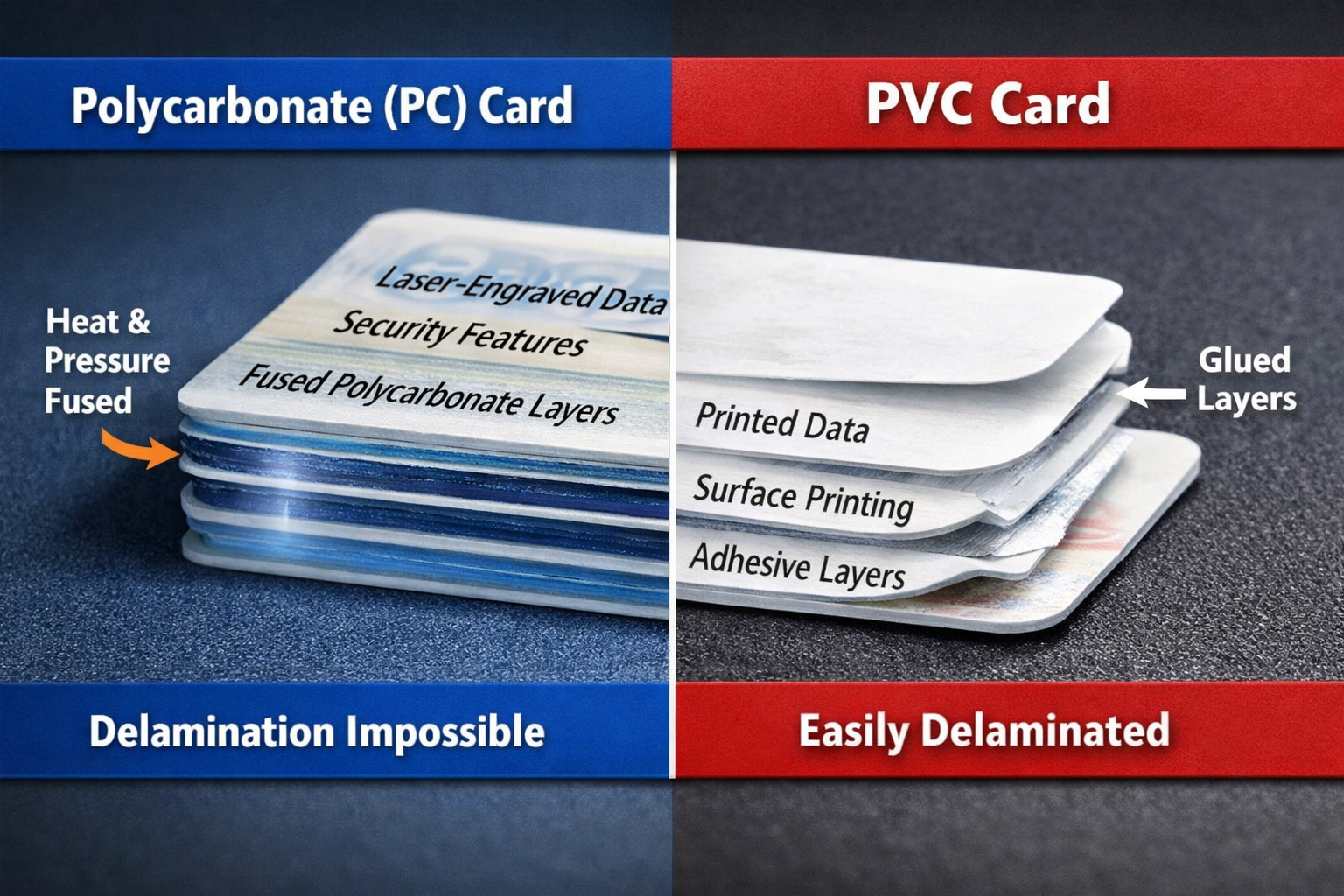
The most fundamental difference between Polycarbonate (PC) and Polyvinyl Chloride (PVC) lies in how they are constructed. A standard PVC card is essentially a sandwich of plastic layers held together with adhesive. Over time, or with intentional effort, these layers can be peeled apart. I've seen countless examples where counterfeiters have successfully delaminated a PVC card to alter the photo or personal data inside. It's a major security flaw.
Polycarbonate cards, on the other hand, are made differently. We take multiple layers of special PC film and fuse them together using intense heat and pressure in a process called hot-pressing lamination9. There is no glue. The layers literally melt and merge into a single, solid block of plastic. You cannot peel it apart without completely destroying the card. This monolithic construction10 is the first and most important line of defense against physical tampering.
Durability and Lifespan
Another key factor is durability. PC is incredibly resilient to heat, aging, and daily wear11 and tear. A PC card is designed to last for 10 years or more, even in harsh climates. PVC becomes brittle and can crack or fade in a much shorter time. For a document like a national ID or a driver's license that needs to remain valid and legible for a decade, PC is the only logical choice.
| Feature | Polycarbonate (PC) | Polyvinyl Chloride (PVC) |
|---|---|---|
| Construction | Fused into a solid block | Layers glued together |
| Tamper-Resistance | Extremely high; delamination is impossible | Low; can be peeled apart |
| Lifespan | 10+ years | 3-5 years |
| Personalization | Laser Engraved (internal)12 | Surface Printed (external) |
| Best Use | National IDs, Passports, High-Security Permits | Loyalty Cards, Gift Cards, Low-Security IDs |
When we advise government agencies, we always emphasize this point: for a foundational document that represents a citizen's identity, you need a material that is as strong and permanent as the identity itself. That material is polycarbonate.
How Does Laser Engraving on PC Cards Prevent Tampering?
Counterfeiters can easily alter printed information on a standard card's surface. This allows criminals to create fake identities with devastating consequences. Laser engraving on PC cards makes this kind of alteration impossible.
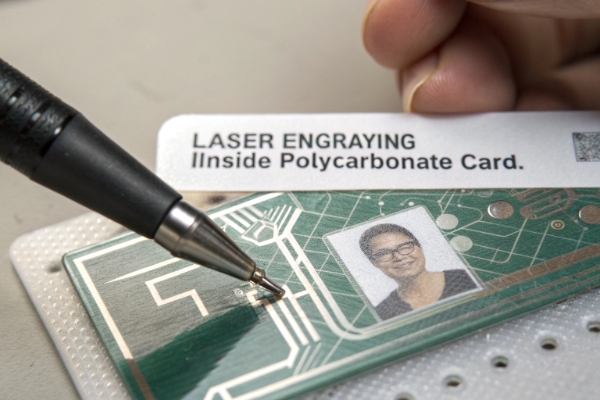
Laser engraving permanently etches personal data, like photos and text, into the inner layers of the polycarbonate card. The information is not on the surface. Any attempt to alter this data will visibly damage the card's structure, providing clear evidence of tampering.
Think of a typical PVC ID card. The photo and text are printed on the surface, almost like a sticker. With the right tools and skills, a forger can remove that top layer of ink and print something new. They can swap a photo or change a birth date. This is a common method for creating fake identification.
Laser engraving on polycarbonate works on a completely different principle. We use a high-precision laser to focus energy inside the solid card body. The laser creates a controlled, permanent change in the material itself, forming tiny, dark marks that make up the image and text. The data is physically embedded within the plastic, not sitting on top of it. I like to describe it as writing a message inside a block of glass instead of on the surface with a marker. You can't just wipe it away.
Evidence of Tampering
This is where the real security comes in. If someone tries to alter the laser-engraved information, they have to physically dig into the card. This will leave obvious and irreversible damage. They might try to scrape away at the surface to reach the engraved layer, which would immediately show scratches and mar the card's finish. If they try to apply heat to change the card's structure, it will warp and deform in a very noticeable way. There is no way to change the engraved data without leaving a clear trail of destruction. This inherent tamper-evidence is a powerful deterrent to counterfeiters. Furthermore, the laser can create a tactile effect13, like a raised portrait or date of birth, which you can feel with your fingertip. This provides another quick and easy way to verify a card's authenticity without any special tools.
Can You Combine Other Security Features with Polycarbonate Cards?
A single security feature is never enough for high-level documents. Sophisticated criminals use multi-pronged attacks to create forgeries. Polycarbonate cards are the perfect base for building a multi-layered security strategy14.
Absolutely. Polycarbonate is an excellent platform for integrating numerous security elements. You can combine features like UV invisible printing15, color-shifting OVI ink, microtext16, and holographic overlays17. This creates a document that is incredibly difficult and expensive to counterfeit.
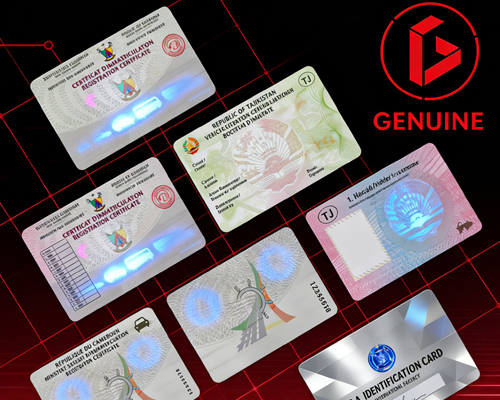
A polycarbonate card is more than just a durable piece of plastic; it's a secure platform. At our company, we never rely on a single feature. We believe in layered security, where each feature protects the others. Think of it like a bank vault. You don't just have one thick door; you have multiple locks, sensors, and guards. A secure document should be the same. Polycarbonate is the vault itself, and we fill it with additional layers of protection that are integrated during the printing and lamination process.
During one project for a government agency in Bolivia, we designed a residence permit that combined several of these features. The base card was PC with laser engraving. We then added a custom holographic overlay with a unique national emblem. Underneath the overlay, we printed guilloché patterns—fine, intricate lines that are very hard to copy—using Optically Variable Ink (OVI)18. The color of these lines would shift from green to purple when you tilted the card. Finally, we added a hidden feature: an invisible university logo that only appeared under a UV light.
A Fortress of Features
This multi-layered approach makes a forger's job nearly impossible. They might be able to replicate one feature, but replicating all of them perfectly is extremely difficult and costly.
Here are some of the key features we integrate:
- UV Fluorescent Printing: Invisible patterns or text that glow under ultraviolet light.
- OVI (Optically Variable Ink): Ink that appears to change color when viewed from different angles.
- Microtext: Extremely small text, often hidden in lines or borders, that is unreadable to the naked eye and looks like a solid line if photocopied.
- Holographic Overlays/Patches: Custom holograms that are fused onto or into the card, providing a highly visible and difficult-to-copy security element.
- Guilloché Patterns: Complex, repetitive line patterns created by specialized software that are almost impossible to reproduce accurately with a scanner or copier.
By combining these elements on a solid polycarbonate foundation, we create a document that is secure, durable, and instantly verifiable.
Conclusion
Polycarbonate cards offer unmatched security through laser engraving, extreme durability8, and the ability to layer multiple anti-counterfeit features, making them the ideal choice for modern government identification documents.
Explore why Polycarbonate cards are considered the gold standard for secure identification, offering unmatched durability and tamper resistance. ↩
Learn how laser engraving embeds data within the card, making it tamper-proof and ensuring the integrity of personal information. ↩
Discover how this technique enhances the durability and security of ID cards, preventing delamination and counterfeiting. ↩
Understand the critical role of Polycarbonate cards in securing national identification documents against fraud. ↩
Find out how Polycarbonate cards bridge the security gap, offering superior protection over standard plastic cards. ↩
Explore the impact of material selection on the security and reliability of national identification systems. ↩
Learn about the construction of Polycarbonate cards that makes them resistant to delamination and tampering. ↩
Discover the properties that give Polycarbonate cards their long-lasting durability, even in harsh conditions. ↩
Understand the process of hot-pressing lamination and how it contributes to the card's security and durability. ↩
Learn how monolithic construction enhances the security of Polycarbonate cards, making them tamper-proof. ↩
Explore the resilience of Polycarbonate cards to environmental factors, ensuring their longevity and reliability. ↩
Find out how internal laser engraving secures data within Polycarbonate cards, preventing unauthorized alterations. ↩
Discover how the tactile effect adds an extra layer of security, allowing for easy verification of authenticity. ↩
Learn about the various security features that can be integrated into Polycarbonate cards for enhanced protection. ↩
Explore how UV invisible printing adds a hidden layer of security to Polycarbonate cards, deterring counterfeiters. ↩
Learn about microtext as a security feature that is difficult to replicate, adding another layer of protection. ↩
Discover how holographic overlays provide a visible and hard-to-copy security feature on Polycarbonate cards. ↩
Understand the role of OVI in providing a dynamic security feature that changes color, making forgery difficult. ↩