Struggling to find a booklet printer you can trust? Counterfeits can cause massive security breaches and destroy public confidence. You need a partner who understands real security from the ground up.
A trusted manufacturer for security booklets and passports is one that masterfully combines advanced anti-counterfeit technologies, strict confidentiality protocols, and deep expertise in material science. They provide a complete, secure solution, not just a printing service, ensuring your documents are virtually impossible to forge.
I've been in the security printing industry for over 15 years, and I've seen it all. I’ve seen government officials breathe a sigh of relief when they hold a perfectly executed document, and I've seen the panic when they realize a previous supplier cut corners. The difference isn't just in the final product you can see; it's in the hundreds of details you can't. Let's walk through what really matters when you're protecting something as vital as a citizen's identity or a nation's borders.
Why is Passport Printing One of the Most Demanding Security Printing Fields?
You might think a passport is just a small book. But this small book holds immense power and is a target for criminals. Understanding its complexity is the first step to appreciating its security.
Passport printing is demanding because it merges numerous, complex security features onto a small, durable document. It must resist daily wear, last for a decade, and be completely resistant to forgery, requiring cutting-edge technology and absolute precision at every single stage of production.
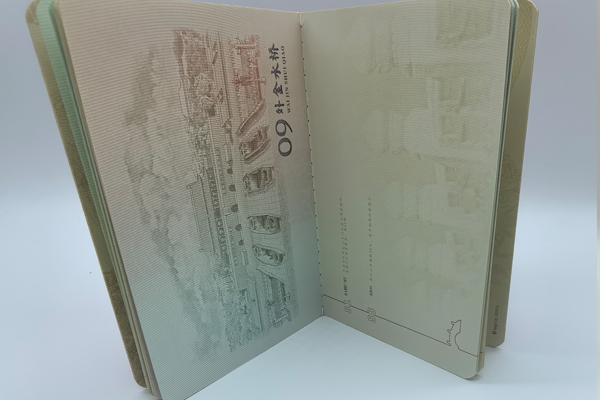
When I first started, I was amazed by the process. It’s not like printing a magazine. Every single element is a security decision. The high stakes involved mean there is zero room for error. A flawed passport isn't just a misprint; it's a potential national security crisis. This is why the field is so demanding. We have to consider three main challenges.
1. The Global Trust Factor
A passport is a promise. It’s a country telling the world, "We guarantee this person is who they say they are." If that promise is broken by a convincing fake, trust in the entire system erodes. This is why international standards, like those from ICAO (International Civil Aviation Organization), are so strict. A manufacturer must not only meet these standards but also be prepared for the next generation of threats.
2. The Fusion of Technology
Modern passports are technological marvels. They are not simply printed. We are integrating different industries into one small booklet.
| Technology Type | Standard Booklet | Security Passport Booklet |
|---|---|---|
| Printing | Basic offset printing | Intaglio, offset, digital with security inks |
| Electronics | None | Embedded smart chip (e-passport) |
| Materials | Standard paper, cardstock | Security paper, polycarbonate, special laminates |
| Data | Visually printed | Visual data, chip data, Machine Readable Zone |
This integration has to be seamless. The chip must work, the printing must be perfect, and the materials must hold everything together for years.
3. The Durability Requirement
Think about what a passport goes through. It's stuffed in pockets, exposed to different climates, and handled by dozens of people. It has to survive for up to 10 years without falling apart or its security features fading. This requires a deep understanding of material science to create something that is both incredibly secure and incredibly tough.
What are the Key Security Elements in Passport-Style Booklets?
You look at a passport and see your photo and some text. But you don't see the hidden features that make it secure. This lack of knowledge makes it hard to judge quality.
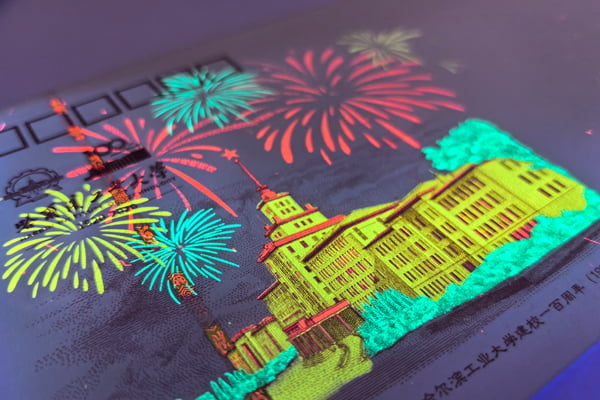
Key security elements are a layered defense system. They include special paper with watermarks, holographic laminates, security threads woven into pages, inks visible only under UV light, and machine-readable zones. These features work together to make forgery extremely difficult.
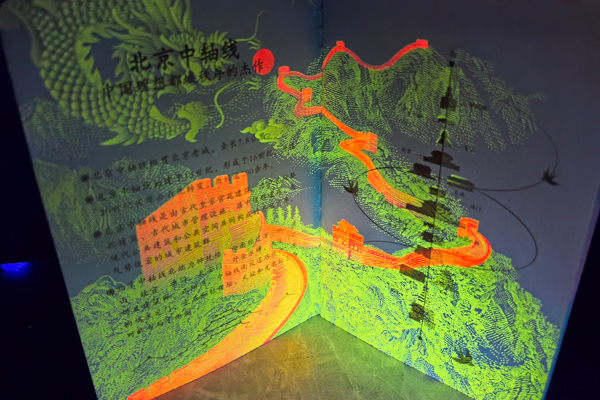
A good security document is like a fortress with multiple walls. If an attacker gets past one, another one is waiting. In my work, I help clients choose the right combination of these features to create a defense that fits their specific threat level and budget. We divide these features into different levels, from what anyone can see to what only a machine can read.
Layered Security Features
The real strength comes from combining these elements. A forger might be able to replicate one feature, but replicating ten of them in perfect sync is nearly impossible.
| Security Element | Purpose | How it Prevents Fraud |
|---|---|---|
| Security Paper | Foundational layer | Contains watermarks, fibers, and chemicals that react to alteration attempts, making changes obvious. |
| Holographic Laminates | Protects data page | Adds a highly complex visual effect that is difficult to copy. Tampering with it destroys the laminate and the page. |
| Security Threads | Embedded verification | A metal or plastic thread woven into the paper. Can be visible, fluorescent, or contain microtext. |
| Specialty Inks | Covert & Overt checks | Includes UV ink (glows under UV light), OVI (optically variable ink that changes color), and IR inks. |
| Machine-Readable Zone | Automated verification | The two lines of text at the bottom of the data page (MRZ) allow for quick, electronic identity checks at borders. |
For example, I once worked on a project where we embedded a security thread that had custom microtext only visible with a microscope. This, combined with a unique watermark in the paper and a custom holographic laminate, created a document that was truly unique to our client.
What is the Role of Materials in Anti-Counterfeiting Booklet Printing?
Thinking any high-quality paper will do for a secure booklet is a common mistake. Using the wrong materials, even if they look good, makes a forger's job easy. The materials themselves must be a security feature.
Materials are the foundation of booklet security. Special paper that reveals tampering, durable polycarbonate for data pages, and threads that cannot be removed are not optional. The right materials make a document inherently resistant to counterfeiting from the very start.
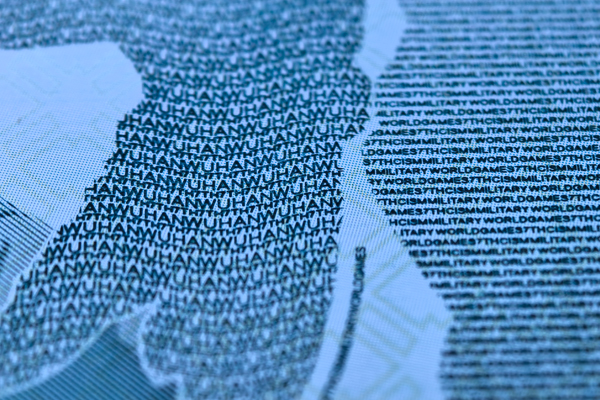
I always tell my clients: a house built with weak bricks will fall, no matter how clever the design. The same is true for security documents. The choice of substrate—the base material—is one of the most important decisions we make. It’s the first line of defense.
The Substrate is the Security
We don't use regular paper. Our security paper is designed to be a "tattle-tale." It tells you if someone is trying to mess with it.
- Chemical Reactivity: If a forger tries to use solvents to erase ink, the paper will stain, leaving a permanent mark.
- Watermarks & Fibers: These are not printed on top; they are built into the paper during its creation. They are very difficult to replicate.
The Power of Polycarbonate
For the main data page, the trend is moving towards polycarbonate (PC). Why? Because it's incredibly durable and offers amazing security. Instead of printing on top of it, we use lasers to engrave the holder's information inside the layers of PC. When these layers are fused together with heat and pressure, the data becomes part of the card itself. Trying to separate the layers or alter the data will physically destroy the page. It’s a beautiful and effective solution.
| Material | Standard Use | Security Use | Advantage |
|---|---|---|---|
| Paper | Flyers, books | Visa pages, banknotes | Can hold complex features like watermarks & threads. |
| Polycarbonate | Eyeglasses, CDs | Passport data pages, ID cards | Extremely durable, allows for laser engraving and tamper-evidence. |
| Laminate | Protecting a print | Securing a data page | Can be embedded with holograms for an extra security layer. |
How Important are Long-Term Consistency and Confidentiality Management?
You found a supplier for your first batch of security booklets. But what happens next year, or in five years? And is your sensitive design data safe? Short-term thinking leads to long-term problems.
They are everything. Consistency ensures every single booklet, from the first to the millionth, meets the same security standard. Confidentiality management prevents your unique designs and materials from ever falling into the wrong hands, which is the very foundation of trust.
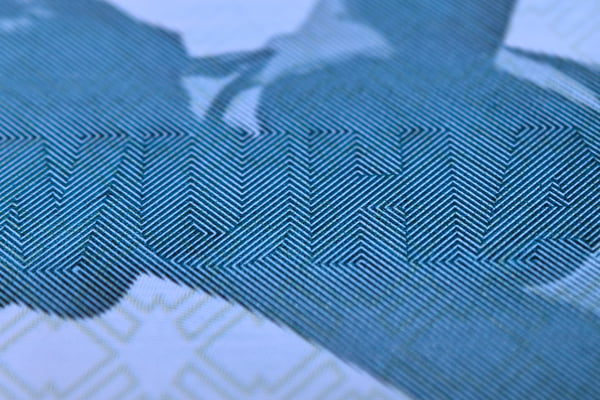
A story comes to mind. A client came to us in a panic. Their previous supplier had a security breach. Their custom holographic foil design was stolen and started appearing on fake documents. They saved a little money initially but ended up with a crisis that cost them millions to fix. This is why our approach is built on two pillars: consistency and confidentiality.
Consistency is Quality Over Time
Making one perfect booklet is easy. Making hundreds of thousands of perfect booklets over a decade is hard. This requires an obsession with quality control and process management.
- Strict QC: At our company, we have multiple checkpoints. We test raw materials, we check prints mid-production, and we inspect every finished batch.
- Process Documentation: Every step is documented. This means if we produce a re-order for a client five years later, we can replicate it exactly, using the same materials, inks, and machine settings. This is crucial for government clients like the ones we've served for over 15 years.
Confidentiality is Non-Negotiable
This is the most important part of my job. We are guarding secrets.
- Secure Facility: Our production floor has restricted access. Not just anyone can walk in.
- Data Security: Client designs are stored on encrypted, offline servers. They are not connected to the internet where they could be hacked.
- Chain of Custody: We track everything. We know who handled the raw materials, who operated the printing press, and who packed the final shipment. This complete traceability is essential for our government contracts and gives our clients total peace of mind.
What are the Applications for Security Booklets Beyond Passports?
Many people think this level of security is reserved only for passports. This mindset limits your ability to protect other documents that are just as vital. This technology is more versatile than you think.
Beyond passports, this technology is essential for securing diplomatic documents, residence permits, seaman's books, and government licenses. Essentially, any booklet that verifies identity, status, or authorization can and should use these security features to prevent fraud.
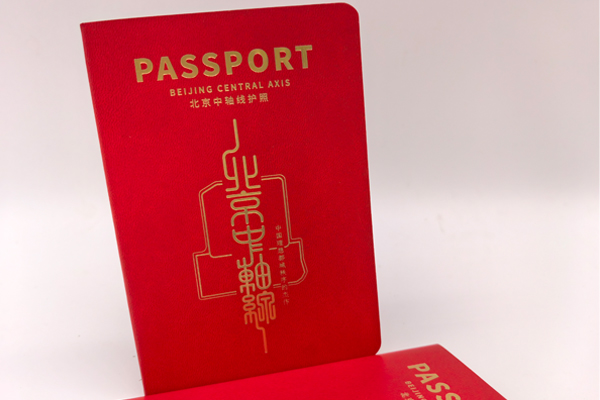
Passports are the most famous example, but the need for fraud-proof identity and authorization documents is universal. The principles and technologies we use for passports can be adapted to protect a wide range of important booklets. In my experience, if a document is valuable enough for someone to fake it, it's valuable enough to secure it properly.
Protecting Critical Documents
The risk of fraud is high for many types of booklets, and the consequences can be severe. We work with clients to apply passport-level security to these other areas.
| Document Type | Primary Risk of Forgery | Key Security Features Applied |
|---|---|---|
| Diplomatic Documents | Impersonation for espionage or illegal access. | Intaglio printing, custom watermarks, holographic patch. |
| Residence Permits | Illegal immigration, unauthorized access to social services. | Polycarbonate page, laser engraving, UV printing. |
| Immigration Booklets | Tracking and controlling entry/exit, verifying status. | Secure binding, machine-readable zone, security thread. |
| Government Licenses | Unqualified individuals practicing a profession (e.g., pilot, engineer). | Microtext, custom hologram, tamper-evident materials. |
Each of these documents represents a potential weakness if not properly secured. For example, we helped a government agency develop a new residence permit booklet. By incorporating a polycarbonate data page with a custom holographic overlay, we made it nearly impossible to swap photos or alter personal data, dramatically reducing fraud in their system.
How Can You Choose a Reliable Passport Printing Partner?
Many printers list "security printing" on their websites. But how do you know who can actually deliver? Choosing the wrong partner can lead to counterfeit documents, data leaks, and a complete loss of trust.
To choose a reliable partner, you must verify their experience with government-level projects, examine their security infrastructure, and confirm they have full in-house capabilities. A true partner offers a one-stop solution, from design to secure delivery, ensuring total control.
Over the years, I've helped many clients onboard with us after they've had bad experiences elsewhere. Based on this, I've developed a simple checklist. When you're vetting a potential partner, don't just take their word for it. Ask the hard questions.
Your Vetting Checklist
1. Do they have proven government-level experience?
This is the most important question. Ask for case studies or references. For example, our long-term supply relationship with government agencies is a testament to our reliability and quality. Experience in this high-stakes arena is not something that can be faked.
2. What are their in-house capabilities?
A reliable partner should be a one-stop-shop.
- Design: Can they help you design a document with a robust set of security features?
- Production: Do they control the entire production line, from making security paper to embedding chips?
- Delivery: Do they have a secure logistics process? If a company outsources key parts of the process, it creates security gaps. We pride ourselves on handling everything under one secure roof.
3. Can you audit their security and confidentiality protocols?
Ask them to explain their data security, facility access controls, and material traceability. A trustworthy partner will be transparent about these processes. They should be able to show you how they will protect your sensitive information. If they are vague, that's a major red flag.
Choosing a partner is a big decision. It’s a long-term relationship built on a foundation of trust and proven capability.
Conclusion
Choosing a security printing partner is about more than just ink on paper. It's about finding an expert in technology, materials, and process management who you can trust to protect your most vital documents.