
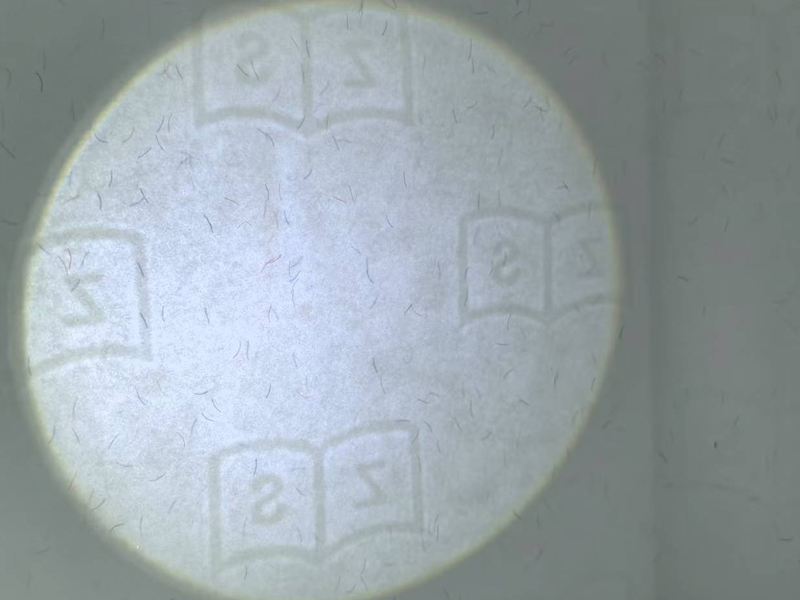
Document forgery is a growing threat. Fakes can cause serious damage to your organization's reputation. A true watermark1 provides a classic, powerful defense against counterfeiters.
The main purpose of a watermark is to authenticate a document and make it extremely difficult to forge. It is an image embedded into the paper during its creation, so it cannot be replicated by a scanner or printer, ensuring the document's integrity.
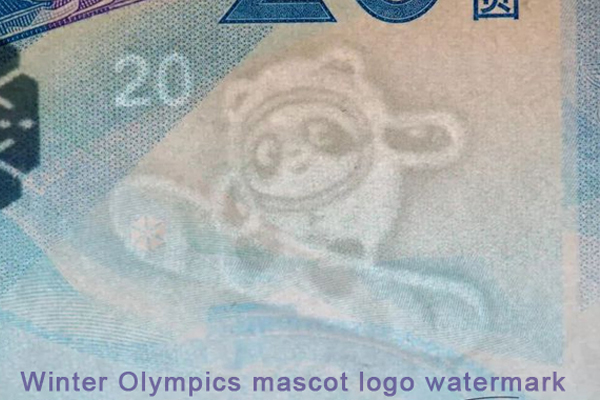
That is the short answer. But there is much more to understand about this security feature. The real value lies in using a true watermark, not a simple printed imitation. To protect your documents, you need to know the difference. Let's explore the details of real security paper.
What exactly is watermark paper2?
Are you worried about document fraud? Modern printers make it easy to create convincing fakes. But true watermark1k paper](https://genuine-printing.com/how-does-one-make-security-thread-paper/)%%%FOOTNOTE_REF_2%%% offers a built-in defense that is almost impossible to copy.
Watermark paper is a special type of security paper with a pattern or image pressed into it during the manufacturing stage. This mark is created by varying the paper's thickness, making it visible only when you hold the sheet up to a light source.
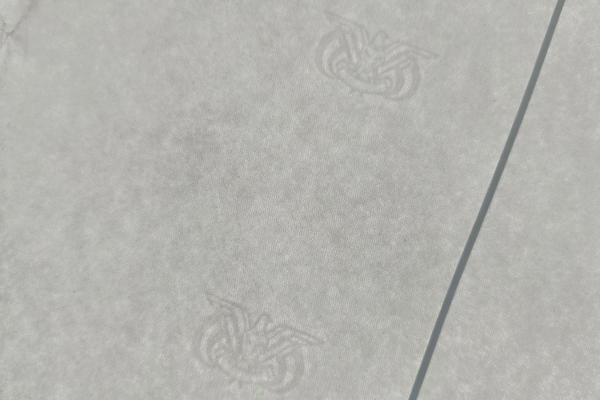
When I first visited a paper mill, I saw this process firsthand. The watermark is made while the paper pulp is still wet and soupy. A special tool called a 'dandy roll3' presses a design into the wet pulp. This thins or thickens the paper in specific spots. Once the paper dries, the design is permanently locked into the fiber structure. This is what we call a "true embedded watermark4." It's not ink printed on the surface; it is part of the paper itself. This is why it's so secure. You cannot add it later, and you cannot remove it without destroying the document. It’s a fundamental security feature that we’ve supplied for countless government and university projects.
What's the difference between printed and true watermark1s?
Not all "watermarks" provide real security. Some are just simple printed effects that anyone can replicate. This can give you a false sense of safety for your important documents.
A true embedded watermark4 is formed during the papermaking process and is part of the paper's structure. In contrast, a printed watermark5 is just ink or varnish added to the surface later. For high-security documents, only true watermark1s offer reliable protection.
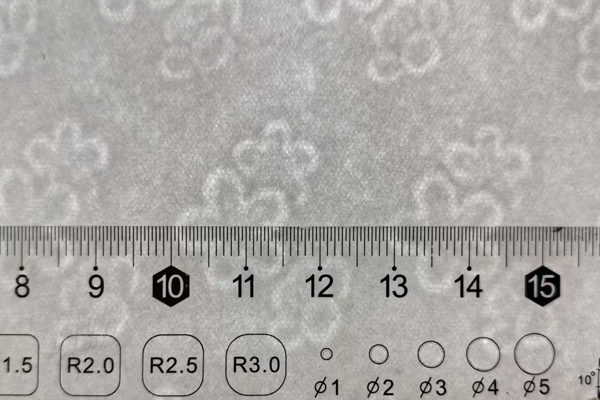
In my experience, many clients don't initially understand this critical difference. They might see a faint logo printed on a document and call it a watermark. But these are easy to fake. A good scanner can often pick up the printed design and reproduce it perfectly. A true watermark1, however, is about paper density. A scanner can't "see" or replicate the thickness variations in the paper. This is why we always insist on true embedded watermark4s for official documents. The security level is simply not comparable.
Here is a simple breakdown:
| Type | How It Is Made | Security Level |
|---|---|---|
| Printed Watermark | Printed with ink or varnish | Low |
| Simulated Watermark | Toner or background patterns | Low |
| True Embedded Watermark | Formed during papermaking | High |
For any project involving certificates, legal forms, or government IDs, we only recommend using true embedded watermark4s. It is the industry standard for a reason.
What types of watermarks are used in security paper?
Choosing a watermark is not a simple task. The wrong type can leave your documents vulnerable. You need to select a design that matches your security needs and is difficult to forge.
There are several types of watermarks, each offering a different level of security. These range from traditional fixed watermarks to complex multi-tone and high-clarity electrotype watermark6s. You can also get fully customized designs featuring your organization's unique logo or text.

Over the years, we have designed and produced all kinds of watermarks. Each type serves a different purpose.
Traditional Fixed Watermark
This is the classic style with a simple, uniform tone. It is good for general-purpose documents like legal forms or internal certificates. We consider its security level to be Medium.
Multi-Tone Watermark
This type is much more complex. It has gradual shading and depth, creating a grayscale image when held to the light. The complexity makes it extremely difficult to replicate. We rate its security level as High.
Electrotype Watermark
This is one of the most secure options. It combines very light and dark areas with sharp, clear edges. It is perfect for including text or numbers. We often recommend this for high-value documents like university diplomas and government certificates. Its security level is Very High.
Custom Logo & Text Watermark
For ultimate security and branding, we can create a completely custom watermark. We can use your institution's logo, a country's emblem, or specific text. This makes your security paper unique to you.
Why do governments and universities still rely on watermark paper2?
In our digital world, is paper security still important? Absolutely. Counterfeiters are actively targeting physical documents. You need a security feature that is both simple and effective.
Governments and institutions use it because it allows for instant visual authentication without any special tools. Anyone can hold a document to the light to check if it's real. This makes it a reliable first line of defense against forgery for critical documents.

Think about the documents that define our lives: birth certificates, marriage licenses, university diplomas, and passports. These items need to be trusted by everyone, from a border agent to a bank teller. The beauty of a watermark is its simplicity. You don't need a special scanner or a UV light to check it. This "no tools needed" verification is a huge advantage. I remember working on a project for a nation's tax stamps. The ability for any shopkeeper or official to quickly verify a stamp by holding it to a light was the key requirement. Watermark paper excels in situations like this. It’s also incredibly durable and stable for long-term archiving, which is essential for documents that need to last a lifetime.
How does watermark paper2 compare to other security features?
Relying on a single security feature is a big risk. A watermark by itself might not be enough. You need to understand how it fits into a complete security strategy.
Watermark paper is a strong, visible, and copy-resistant feature. While other features like UV ink or holograms offer different benefits, a watermark is unique because it's part of the paper. The best strategy is to combine several features for layered security7.
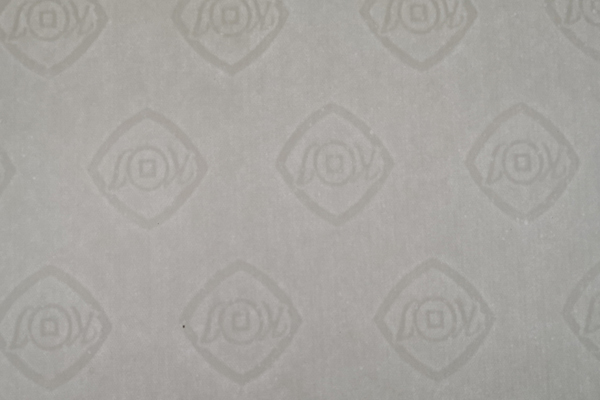
We always advise our clients to think in layers. No single feature is foolproof. A counterfeiter might be able to mimic one feature, but mimicking four or five is much harder. We often help clients choose a mix of features based on their budget and risk level.
Here’s how watermark paper2 stacks up against other common options:
| Security Feature | Visible to Eye | Copy Resistant | Cost Level |
|---|---|---|---|
| Watermark Paper | Yes (with light) | High | Medium |
| UV Invisible Printing | No (needs UV light) | Medium | Low |
| Hologram Foil | Yes | Medium | Medium |
| Security Fibers | Partial | High | Medium |
| Chemical Reactive Paper | No | High | Medium |
As you can see, each feature has its strengths. UV ink is covert, while a hologram is overt. Watermark paper is unique because it is both integrated and easily verifiable. The most secure documents we produce, like for the Bolivian government, combine a custom watermark with security fibers8, special inks, and holograms.
How can you combine watermark paper2 with modern security tech?
Traditional paper security might seem old-fashioned. But what if you could connect it with digital technology? This creates a powerful defense that counterfeiters cannot easily bypass.
You can create a hybrid physical-digital security9 system. Watermark paper can be combined with features like security fibers8, anti-copy patterns, and unique QR codes or NFC chips10. This allows for both instant visual checks and advanced digital verification.
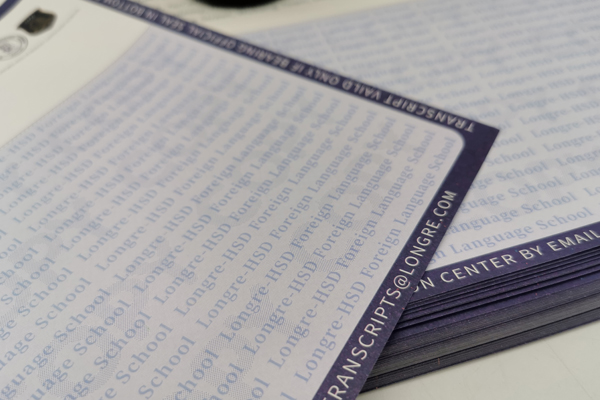
This "physical + digital" approach is the future of document security. It gives you the best of both worlds. An official can perform a quick visual check of the watermark and other physical features. Then, for a higher level of assurance, they can use a smartphone to scan a QR code or NFC chip embedded in the document. This scan can connect to a secure database to verify the document's serial number, owner, and status in real-time. We have implemented systems like this for several clients. For example, we can embed an invisible QR code that links to a student's academic records, adding a digital layer to a traditional diploma that is protected by a watermark and security fibers8. This multi-layered strategy makes a document incredibly difficult to forge and easy to verify.
How do you choose the right watermark paper2 supplier?
Choosing your supplier is a critical decision. A bad partner can deliver low-quality paper or, even worse, leak your custom security designs. This could compromise your entire document security system.
Look for a supplier with in-house papermaking capabilities, not just a trading company. They should have deep experience with custom mold design11 and a proven track record of stable supply for government-level projects. A true partner also provides security design consultation12.
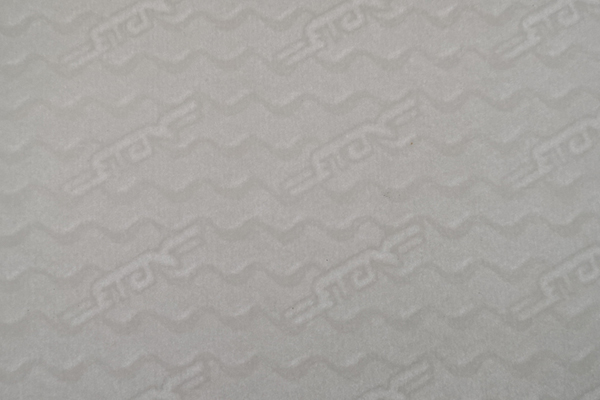
After 15 years in this industry, I can't stress this enough: you must work with a real manufacturer. Many companies are just traders who buy from a mill and resell. They don't have control over quality, confidentiality, or the supply chain. When you work directly with a manufacturer like us, you get full transparency and control.
Here are the key things to look for:
- In-House Papermaking: Do they make the paper themselves? This ensures quality control and confidentiality.
- Custom Mold Experience: Can they design and create a unique, complex watermark mold just for you?
- Government Project History: Have they supplied projects for governments or major universities before? This proves their reliability.
- Integration Ability: Can they combine the watermark paper2 with other features like fibers, threads, and chemical coatings?
- Strict Confidentiality: Do they have a system to protect your custom design and ensure it is only supplied to you?
A good supplier is a long-term security partner. They should help you design the best solution, not just sell you paper.
Conclusion
Watermark paper is a core element of document security. It is a trusted, durable, and forgery-resistant feature that remains essential for governments and institutions that require absolute trust.
Learn how true watermarks provide a robust defense against counterfeiters, ensuring document authenticity. ↩
Discover the unique manufacturing process of watermark paper that makes it a secure choice for important documents. ↩
Explore the role of the dandy roll in embedding secure watermarks during the papermaking process. ↩
Find out why true embedded watermarks are integral to the paper and offer high security against forgery. ↩
Understand the limitations of printed watermarks and why true watermarks are preferred for security. ↩
Discover why electrotype watermarks are ideal for documents requiring very high security levels. ↩
Learn how combining multiple security features creates a robust defense against forgery. ↩
Find out how security fibers add an extra layer of protection to secure documents. ↩
Explore the integration of physical and digital security features for comprehensive document protection. ↩
Learn how these digital features can be used for advanced verification of secure documents. ↩
Learn how custom mold design allows for unique and secure watermark patterns. ↩
Understand the value of expert consultation in designing effective document security solutions. ↩