Fake certificates devalue your institution. This erodes public trust and creates chaos. Secure printing is your strongest defense against this threat.
Security certificate printing uses special materials and complex techniques like watermarks1, security threads2, and color-shifting inks3. This makes documents extremely difficult to copy. It protects the integrity of your organization and the value of the credential, ensuring trust is always maintained.
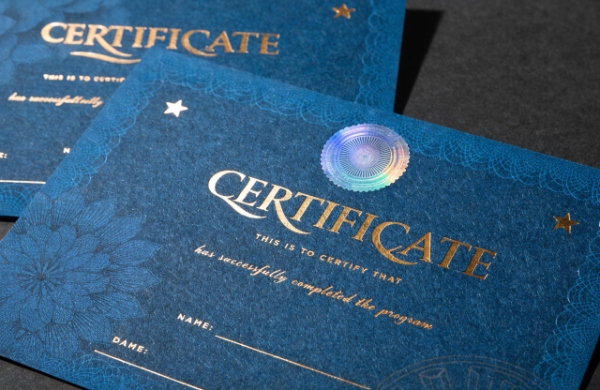
But what exactly are these technologies? We need to look closer at the hidden features that create this powerful barrier against fraud. Understanding these elements is the first step in protecting your organization’s valuable reputation.
What Key Elements Make a Certificate Truly Secure?
A standard printed document is very easy to fake. This puts your certificates at high risk of fraud. Multi-layered security features provide real, robust protection.
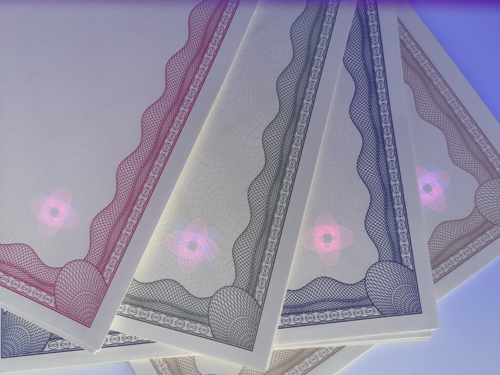
A truly secure certificate combines multiple features that are hard to replicate. These include special paper with embedded watermarks1, optically variable inks (OVI), and intricate Guilloche patterns4. These elements work together to create a document that is nearly impossible for counterfeiters5 to copy.
A secure document is built in layers, much like a fortress. Each feature serves a specific purpose, and their combination makes the entire system incredibly strong. We don't just print on paper; we build security from the ground up.
The Foundation: Security Paper
The first layer of defense is the paper itself. Unlike regular paper, our security paper6 has features built into it during the manufacturing process. This includes custom watermarks1, which are unique images or text visible when held up to the light. We also embed security threads2, which are thin strips that can be metallic, holographic, or even fluorescent. Because these features are inside the paper, not printed on top, they cannot be faked with a scanner or a printer. They form the fundamental base of the document’s security.
The Visual Defense: Inks and Patterns
Next, we apply specialized inks and designs. Optically Variable Ink (OVI) is a great example. It changes color when you tilt the document, just like the ink on many banknotes. A scanner can only capture one color, so any copy will be static and obviously fake. We also use Guilloche patterns4. These are extremely fine, complex line patterns created by mathematical algorithms. A standard office printer cannot reproduce these lines without them becoming blurry or broken. This creates an immediate and obvious sign of a forgery.
The Hidden Details: Microtext7 and Tactile Feel
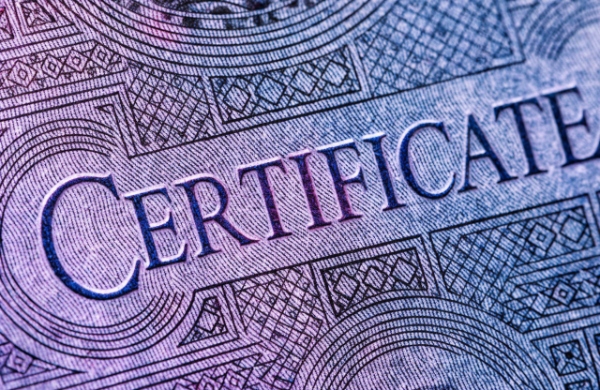
We also add features that are not immediately obvious. Microtext7 is text so small that it looks like a simple line to the naked eye. You need a magnifying glass to read it. Most copiers cannot capture this level of detail. Another powerful feature is the tactile feel from Intaglio printing8. This process creates raised ink, giving the document a distinct texture you can feel with your fingertips. This physical characteristic is impossible to replicate with a digital printer.
| Security Feature | How It Works | What It Prevents |
|---|---|---|
| Watermark | Image embedded in paper fibers | Scanning and photocopying |
| OVI Ink | Ink changes color with angle | Color copying and scanning |
| Guilloche Pattern | Ultra-fine, complex lines | High-resolution scanning |
| Microtext7 | Tiny text hidden in lines | Low-resolution copying |
| Intaglio Printing | Raised ink creates texture | Digital printing replication |
How Does Security Printing Protect Your Organization's Reputation?
A single forged certificate can damage your good name. Public trust is very hard to regain once it is lost. Proactive security is essential.
Secure printing directly protects your reputation. It makes certificates difficult to forge, which stops fraud before it starts. This maintains public trust in your organization. It ensures the legitimacy of every document you issue and preserves the value of your brand.
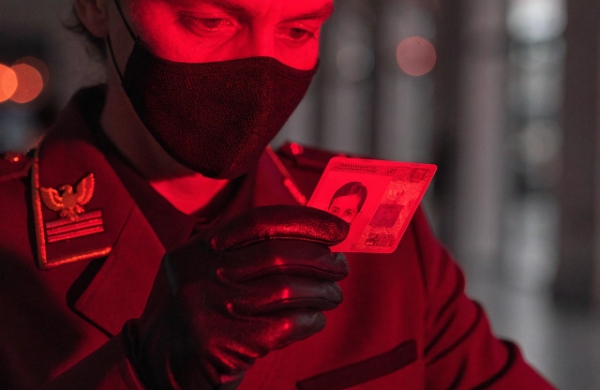
Your certificates, diplomas, and IDs are more than just pieces of paper. They are physical representations of your organization's credibility. When someone presents a document with your name on it, the world assumes it is legitimate. If forgeries become common, that assumption disappears. The value of every real document you have ever issued is diminished. That is why protecting these documents is the same as protecting your name.
Making Forgery Unprofitable
Our primary goal is to make forgery too expensive and difficult for criminals. A counterfeiter makes a simple calculation: how much will it cost to make a fake, and how much can I sell it for? By using specialized equipment, controlled materials like security paper6, and complex techniques, we dramatically increase the cost of creating a convincing fake. When the equipment and materials cost far more than any potential profit, most criminals will not even try. This economic barrier is one of the most effective ways to deter fraud from the very beginning.
Enabling Instant Verification
A well-designed secure document allows anyone to check its authenticity in seconds. We call this the "look, touch, and tilt" method. A person can look for the watermark, touch the raised ink, and tilt the document to see the color-shifting ink. This simple process requires no special tools or training. It empowers officials, employers, and the general public to spot fakes quickly and confidently. This immediate verification process9 stops fraudulent documents from being used successfully.
| Aspect | Standard Certificate | Secure Certificate |
|---|---|---|
| Vulnerability | High; easily copied with standard equipment. | Low; requires specialized materials and machinery. |
| Public Trust | Erodes quickly when forgeries appear. | Maintained through verifiable authenticity. |
| Verification | Difficult; may require contacting the issuer. | Easy; "look, touch, tilt" method for anyone. |
| Brand Impact | Negative; associated with fraud and low standards. | Positive; associated with security and integrity. |
How Do We Build a Custom Security Solution for Your Documents?
Your organization has unique security needs. A standard solution can leave you vulnerable. A tailored approach gives you the best possible protection.
We build custom security solutions10 by first understanding your specific risks. We then combine features like custom holograms11, invisible inks12, and security paper6 into a unique, multi-layered design. This strategy provides the optimal protection needed for your important documents.
We have over 15 years of experience supplying secure documents to governments, banks, and universities. We know that every client faces different challenges. A university diploma has different security needs than a government tax stamp. Our process is built around creating a solution that is perfectly matched to your specific requirements.
Step 1: Consultation and Analysis
Everything starts with a conversation. We listen to you to understand the document's purpose, its value, and the potential threats it faces. Who will be using this document? Who might try to forge it? In what environment will it be verified? Answering these questions helps us identify the biggest risks. This analysis forms the foundation of our security strategy. We need to know what we are protecting against before we can design the right defense.
Step 2: Designing a Multi-Layered Defense
Based on our analysis, we design a unique combination of security features. We think in terms of layers:
- Overt Features: These are first-line defenses that are easy for the public to see, like a hologram or OVI ink.
- Covert Features: These are hidden features that require a simple tool to find, like a UV light for invisible ink or a magnifying glass for microtext.
- Forensic Features: These are highly specialized features, often at a chemical level, that require laboratory equipment to verify. They provide the ultimate proof of authenticity.
We carefully select and combine features from these categories to create a document that is secure, easy to verify, and difficult to forge.
Step 3: Secure Production and Delivery
Our production facility operates under strict confidentiality and security protocols13. We have a complete traceability system14 to account for every sheet of security paper6 and every document we produce. Our quality control team inspects every batch to ensure all security features are perfectly executed. This commitment to security at every step ensures that the final product delivered to you is completely trustworthy.
| Document Type | Recommended Overt Feature | Recommended Covert Feature | Recommended Forensic Feature |
|---|---|---|---|
| University Diploma | Custom Holographic Patch | UV Invisible University Crest | Chemical Taggants in Paper |
| Government ID Card | OVI Color-Shifting Ink | Microtext7 with Holder's ID# | Custom Substrate Composition |
| Tax Stamp | Guilloche Background | Security Fibers in Paper | DNA-Tagged Ink |
Conclusion
Secure certificate printing is not an expense, but an essential investment. It protects your credibility, deters criminals, and preserves the value of the documents you issue.
Learn about the role of watermarks in preventing forgery and ensuring authenticity. ↩
Discover how security threads contribute to the overall security of printed documents. ↩
Find out how color-shifting inks can help in verifying document authenticity. ↩
Understand the complexity of Guilloche patterns and their role in preventing counterfeiting. ↩
Explore the tactics of counterfeiters and how security features can deter their efforts. ↩
Understand the importance of security paper in creating robust and forgery-resistant documents. ↩
Explore the significance of microtext in document security and its detection methods. ↩
Learn how Intaglio printing adds a tactile element that enhances document security. ↩
Learn about the methods used to quickly verify the authenticity of secure documents. ↩
Explore how tailored security solutions can meet the unique needs of your organization. ↩
Learn about the effectiveness of holograms in preventing forgery and ensuring authenticity. ↩
Discover the role of invisible inks in enhancing the security of printed documents. ↩
Explore the necessary security protocols that ensure the integrity of printed documents. ↩
Understand how traceability systems enhance accountability and security in document production. ↩