Are you sure the car next to you is safe? Fake inspection reports are a hidden danger on our roads. We offer a solution that builds an unbreakable trust loop.
A vehicle anti-counterfeiting label1 builds a "trust loop" by combining hard-to-copy physical materials with secure digital technologies like encrypted QR codes2 or RFID3. This creates a unique, non-transferable "digital ID" for each car, linked directly to a verifiable government database for instant authentication.
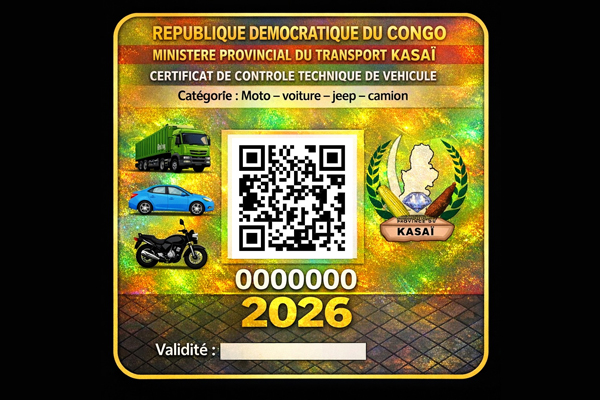
Every time I get on the road, I put my trust in thousands of other drivers. I trust that their vehicles are maintained and have passed official safety inspections. But what if that trust is built on a lie? The reality is, counterfeit documents are a major problem, and they put all of us at risk. It’s a challenge we’ve dedicated over 15 years to solving. This isn't just about printing a sticker; it's about engineering a complete system of trust from the ground up. Let's explore how this system works.
Why must every vehicle have a unique digital ID card4?
Managing millions of vehicles with paper records is chaotic and prone to fraud. This confusion allows criminals to clone identities, sell stolen cars, and put dangerous vehicles on the road. A unique digital ID label links each vehicle directly to its official record, ending the chaos.
A unique digital ID card4, like an encrypted QR code or RFID3 tag, gives each vehicle a one-of-a-kind identity. This tag links directly to the traffic department's database, ensuring that the vehicle's records are authentic and instantly verifiable, a concept we call "seeing the code means seeing the file5."
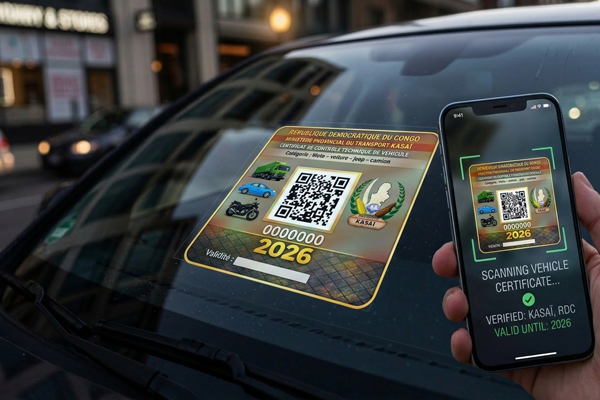
The core of any secure system is a unique identity. In the past, this was just a license plate number, which is shockingly easy to clone. We knew we had to go deeper. The principle is simple: "One Vehicle, One Code6." We use advanced encryption algorithms to generate a unique identification code for every single vehicle that passes inspection. This code is then embedded into a secure label, often as an encrypted QR code or an RFID3 chip. This isn't just a random number; it's a key.
But a key is useless without a lock. That's where data linkage7 comes in. The label must communicate in real-time with the backend database of the traffic management department. When an officer scans the code, they aren't just reading the label; they are securely querying a central, protected server. They instantly see the vehicle's full file: make, model, owner, and inspection history. This is the essence of "seeing the code means seeing the file5." It closes the loop and eliminates any room for doubt.
Traditional vs. Digital Vehicle ID
| Feature | Traditional Method (e.g., Paper Certificate) | Digital ID Label (e.g., Encrypted QR Code) |
|---|---|---|
| Uniqueness | Low; easily forged or copied. | High; generated by unique encryption algorithms. |
| Verification | Manual, slow, and requires checking physical files. | Instant; scannable with a mobile device. |
| Data Linkage | None; a standalone document. | Real-time connection to a secure central database. |
| Security | Minimal; relies on basic paper features. | Multi-layered; physical and digital security. |
| Fraud Risk | Extremely High. | Extremely Low. |
How do you make a vehicle label impossible to fake?
Counterfeiters are getting smarter, and a simple sticker is easy to copy. This means fake labels can easily pass a quick glance, putting everyone on the road at risk. We build a technological fortress by combining physical and digital security layers, making forgery nearly impossible.
To make a label impossible to fake, you must layer multiple security features. This includes visible physical elements like holograms and invisible digital safeguards like dynamic codes and blockchain encryption. The label must also self-destruct if someone tries to move it, preventing illegal transfer.
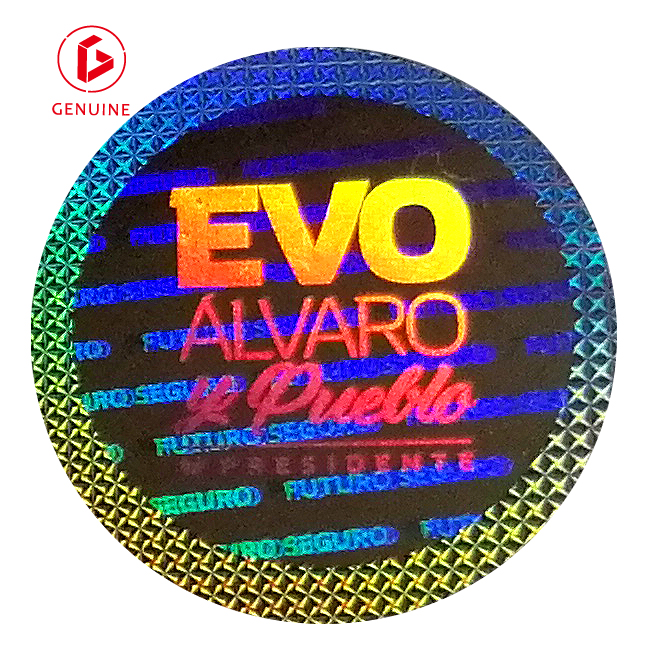
A determined forger can replicate any single security feature. That’s why our philosophy is to build a "technological moat" with so many layers that it becomes impractical and unprofitable to even try. I remember a client from a government agency who was shocked at how sophisticated fake documents had become. Our solution was to fight fire with fire, using a multi-dimensional approach.
Physical + Digital: A Two-Pronged Defense
We combine security you can see and touch with security that works behind the scenes. This dual-layer strategy is critical.
The Physical Layer is the first line of defense. These are features that are incredibly difficult and expensive to reproduce without specialized equipment.
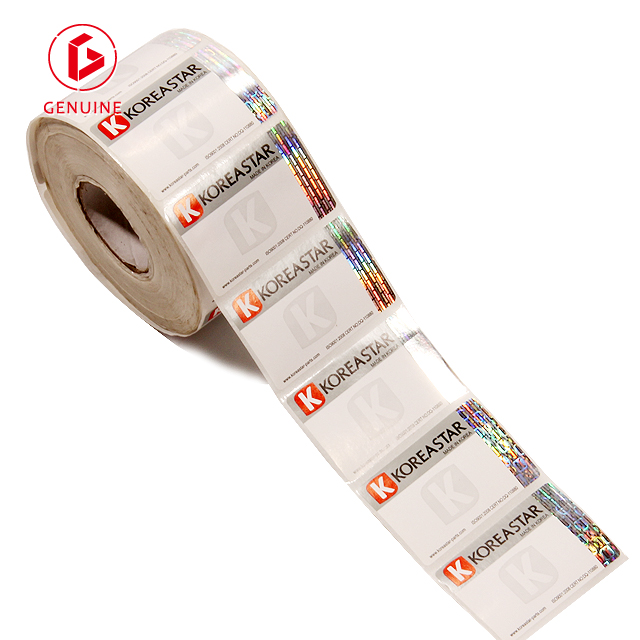
- Laser Holography: Custom holograms with 3D effects and hidden information that change when viewed from different angles.
- OVI Color-Shifting Ink8: The ink changes color depending on the viewing angle, a feature used on many banknotes.
- Microtext9: Tiny text, often spelling out the issuing authority's name, that looks like a simple line to the naked eye.
- Guilloche Patterns10: Intricate, fine-line patterns that are nearly impossible to scan or replicate accurately.
The Digital Layer provides intelligent, verifiable security.
- Asymmetric Encryption11: This ensures that the data on the QR code or RFID3 chip can only be read and verified by an authorized device.
- Dynamic Verification Codes12: The code might change based on time or other factors, preventing "replay attacks" where a valid code is copied and reused.
- Blockchain Notarization13: For the highest level of security, the issuance of a certificate can be recorded on a blockchain, creating a permanent, unalterable public ledger.
Finally, we ensure Non-transferability. The label is useless if it can be moved from a junk car to a road-worthy one. We use "destructive materials" like fragile paper that crumbles if removal is attempted, or substrates with pre-cut security slits that tear the label apart. It’s a one-time-use credential, permanently tied to its original vehicle.
What is the real-world value of a secure vehicle label14?
Verifying a vehicle's history is slow, expensive, and often unreliable. This inefficiency frustrates law enforcement, vehicle owners, and buyers, and it allows gray market activities to thrive. A secure label creates a transparent "trust loop" that makes verification instant and reliable for everyone involved.
The real-world value is immense. It creates a transparent record from inspection to issuance, allowing law enforcement and owners to instantly verify a vehicle's authenticity. This boosts regulatory efficiency and effectively shuts down illegal activities like vehicle cloning and document forgery.
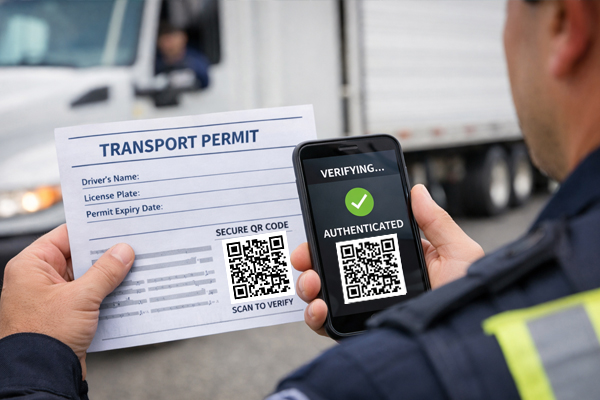
The true power of this technology is unlocked when it's applied in the real world. It's not just about stopping bad actors; it's about making the entire system more efficient and trustworthy for the good ones. We call this the "trust loop," and it benefits everyone.
Tracing the Vehicle's Lifecycle15
The process starts the moment a vehicle enters an inspection station. The label’s issuance is digitally tied to the inspection results, creating a transparent and traceable record. We can see when it was inspected, where it was inspected, and who authorized the certificate. This complete lifecycle tracking ensures the origin of every certificate is legitimate and accountable. There are no gaps for counterfeiters to exploit. This traceability is a core strength we've honed over years of supplying government agencies.
Empowering Law Enforcement and Owners16
Imagine a traffic stop. Instead of a long, manual process of calling in a plate number and waiting for a response, an officer can simply scan the label with their standard-issue mobile device. In seconds, they have a definitive yes/no answer on the vehicle's legitimacy. This drastically reduces administrative time and allows officers to focus on genuine threats. For vehicle owners and potential buyers of used cars, this same technology provides peace of mind. A quick scan confirms the vehicle's history, reducing transaction risks and combating fraud in the second-hand market.
Benefits Across the Board
| Stakeholder | Primary Benefit |
|---|---|
| Government Agencies | Increased regulatory compliance and reduced administrative costs. |
| Law Enforcement | Faster, more accurate roadside verifications and effective crime prevention. |
| Vehicle Owners | Proof of legitimacy, protection of asset value, and smoother transactions. |
| Used Car Buyers | Confidence in the vehicle's history and protection from purchasing stolen or unsafe cars. |
This system is a powerful weapon against gray market activities. It effectively curbs the use of cloned license plates, forged inspection reports, and illegally modified vehicles, making our roads safer for everyone.
Why is this label more than just a sticker for legal purposes?
Many people might see a vehicle label as just another bureaucratic requirement. But this overlooks its crucial role in legal and financial matters, leaving legitimate vehicle owners unprotected and vulnerable. We must recognize the label as a legal document that protects rights and defines responsibilities.
Legally, this secure label is a formal credential, not just a sticker. Forging or misusing it carries serious penalties. For the owner, it's vital proof for insurance claims and helps determine a used car's value, protecting their financial investment and legal standing.
In my experience, the most successful security projects are the ones where the credential's value is understood by everyone. A vehicle inspection label isn't just a piece of paper you stick on your windshield to avoid a fine. It's a legally binding document that carries significant weight. We design these systems with the understanding that they will be tested not just by counterfeiters, but in courtrooms and by insurance adjusters.
The High Cost of Forgery17
First, we must establish clear legal constraints. The act of forging, tampering with, or illegally transferring an official inspection label is a serious crime. It's not a simple misdemeanor; it's an act that directly endangers public safety. The laws must reflect this, with severe consequences that deter potential criminals. By making the label technologically difficult to forge, we are also giving law enforcement the clear evidence needed to prosecute these cases successfully. Our role is to provide a tool so secure that any attempt at forgery is immediately obvious.
Protecting the Owner's Investment18
For the legitimate vehicle owner, the label is a critical asset. Think about an insurance claim after an accident. The secure label is undeniable proof that the vehicle was in a compliant, road-worthy condition at the time of its last inspection. This can be crucial in settling claims fairly and quickly. Furthermore, in the used car market, a verifiable inspection history is gold. A vehicle with a complete, digitally verifiable record, proven by its secure label, will command a higher residual value. It removes doubt from the transaction, protecting the seller's investment and giving the buyer confidence. I've worked with clients who saw a direct link between implementing our secure labels and a reduction in insurance fraud and an increase in certified pre-owned vehicle values. It’s a credential that works for you.
Conclusion
In short, secure vehicle labels use advanced physical and digital tech to create a trusted, verifiable identity, ensuring road safety, regulatory efficiency, and the protection of every vehicle owner.
Understanding vehicle anti-counterfeiting labels can help ensure your car's authenticity and safety on the road. ↩
Encrypted QR codes provide a secure way to verify vehicle information, reducing fraud and enhancing trust. ↩
RFID technology offers a reliable method for tracking and verifying vehicle identities, improving security. ↩
A unique digital ID card ensures each vehicle's identity is secure and verifiable, preventing fraud. ↩
This concept ensures instant verification of a vehicle's records, enhancing trust and security. ↩
This principle guarantees each vehicle has a unique, secure identity, preventing cloning and fraud. ↩
Data linkage connects vehicle labels to central databases, ensuring real-time verification and authenticity. ↩
OVI Color-Shifting Ink changes color, making labels hard to forge and enhancing security. ↩
Microtext is a subtle security feature that is hard to replicate, adding an extra layer of protection. ↩
Guilloche Patterns are intricate designs that are difficult to copy, enhancing label security. ↩
Asymmetric encryption ensures that only authorized devices can read and verify vehicle label data. ↩
Dynamic verification codes change over time, preventing unauthorized reuse and enhancing security. ↩
Blockchain notarization provides an unalterable record of vehicle label issuance, ensuring authenticity. ↩
Secure vehicle labels provide instant verification, reducing fraud and enhancing trust in vehicle transactions. ↩
Lifecycle tracing ensures a transparent record of a vehicle's history, preventing fraud and enhancing trust. ↩
Secure labels provide quick verification, aiding law enforcement and offering peace of mind to owners. ↩
Understanding the high cost of forgery highlights the importance of secure labels in preventing fraud. ↩
Secure labels ensure a vehicle's authenticity, protecting its value and aiding in insurance claims. ↩