Security Labels by Industry: Applications, Types & Anti-Counterfeiting Uses (2026)
Counterfeiting, document fraud, and product tampering are no longer limited to luxury brands. Today, security labels are widely used across industries—from government and healthcare to education and electronics—to protect authenticity, ensure compliance, and prevent unauthorized manipulation.
As a professional custom security labels manufacturer, we see increasing demand for industry-specific security labeling solutions that combine physical protection with digital verification.
What Are Security Labels and Why Are They Used?
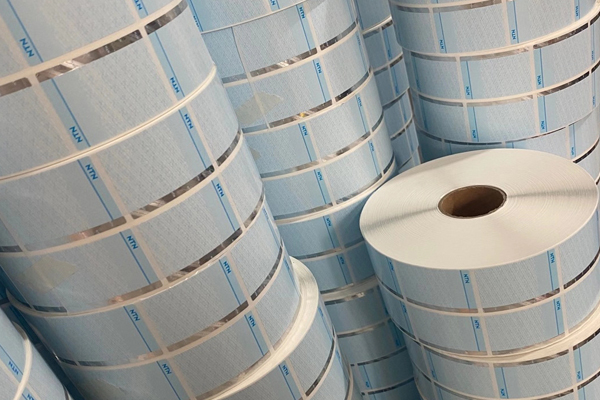
Security labels are specialized labels designed to prevent tampering, duplication, and counterfeiting. Unlike ordinary stickers, they integrate visible and invisible security features that make unauthorized removal, reuse, or replication extremely difficult.
Security labels are commonly used for:
- Authenticity verification
- Tamper evidence
- Anti-counterfeiting protection
- Traceability and serialization
- Brand and document integrity
According to global anti-counterfeiting standards published by the World Intellectual Property Organization (WIPO), layered security features significantly increase the cost and complexity of fraud.
Key Types of Security Labels Used Across Industries
Tamper-Evident Security Labels
Tamper-evident security labels leave clear visual damage—such as VOID text, destructible patterns, or residue—once removed, making reuse impossible.
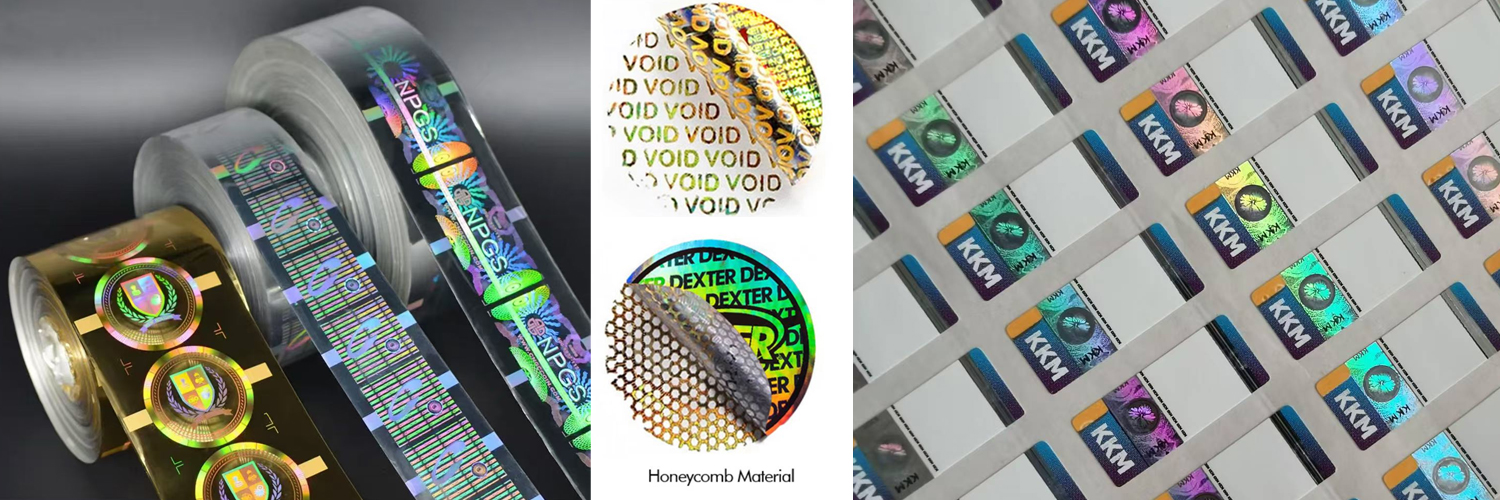 ALT: tamper evident security label example
Typical applications include:
- Government seals
- Pharmaceutical packaging
- Electronics warranty labels
Learn more about professional-grade solutions on our security labels manufacturing page.
Hologram Security Labels
Hologram security labels use optical variable effects that are extremely difficult to replicate. Advanced holograms may include microtext, kinetic images, or serialized elements.
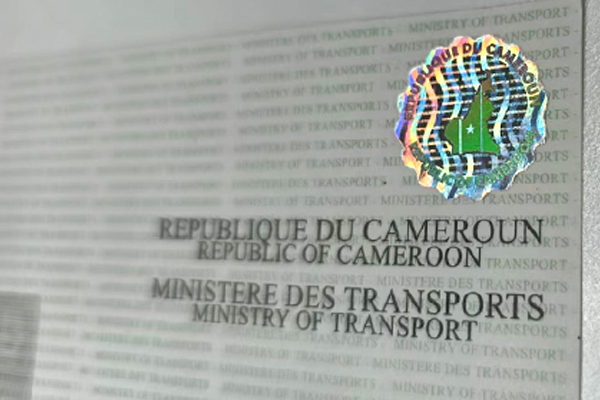 ALT: hologram security label for certificates
Common uses:
- Certificates and diplomas
- Government licenses
- Brand authentication
UV & Invisible Ink Security Labels
UV and invisible ink security labels contain hidden markings visible only under ultraviolet light, allowing covert verification without affecting design aesthetics.
These labels are widely used in:
- Official documents
- Secure logistics
- Event credentials
QR Code & NFC Security Labels
Smart security labels integrate QR codes or NFC chips, enabling digital authentication, traceability, and real-time verification.
For advanced applications, explore our smart solutions such as NFC security labels, which connect physical labels with secure databases.
Security Label Applications by Industry
Government & Official Documents
Government agencies use security labels for:
- Licenses and permits
- Tax stamps and fiscal labels
- Certificates and official records
Effective government-grade solutions often combine:
- Tamper-evident materials
- UV or invisible printing
- Serialized QR or NFC verification
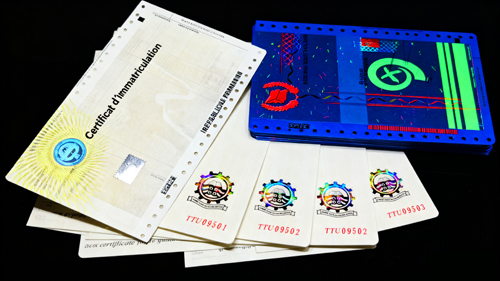 ALT: security labels for government documents
For official printing projects, secure-label applications are often integrated with document laminates and secure printing systems provided by partners such as secure-printing.com.
Pharmaceutical & Healthcare Industry
In healthcare, security labels are critical to:
- Prevent counterfeit medicines
- Ensure patient safety
- Meet regulatory requirements
According to guidance from the World Health Organization (WHO), serialization and tamper-evident packaging are key measures against pharmaceutical fraud.
Common healthcare solutions include:
- VOID tamper-evident labels
- Serialized QR labels
- Track-and-trace systems
Education & Certificates
Educational institutions rely on security labels to protect:
- Diplomas and transcripts
- Training certificates
- Professional qualifications
Security labels are often combined with security paper and laminates to prevent forgery, unauthorized duplication, and data alteration. Hologram and UV-based labels are particularly effective for academic credentials.
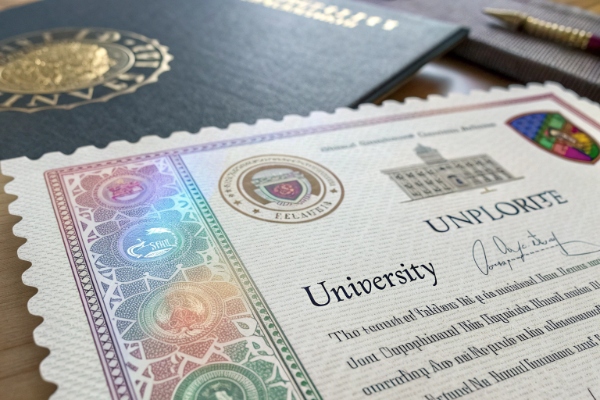 ALT: security labels for education certificates
Luxury Goods & FMCG
Luxury brands and FMCG companies use security labels to:
- Prevent product substitution
- Stop parallel imports
- Protect brand reputation
Typical solutions combine:
- High-visibility holograms
- Destructible materials
- Consumer-verifiable QR codes
Electronics & Industrial Components
In electronics and industrial sectors, security labels protect:
- Warranty integrity
- Original components
- After-sales service authenticity
Tamper-evident security labels ensure that unauthorized access or part replacement is immediately visible.
How to Choose the Right Security Label for Your Industry
When selecting a security labeling solution, consider:
- Threat level – Counterfeiting, tampering, or diversion
- Regulatory requirements – Industry or government compliance
- Verification method – Visual, UV, or digital authentication
- Cost vs. risk – Balance protection level with budget
- Scalability – Future upgrades to smart or trackable labels
Working with an experienced security labels manufacturer ensures your solution matches both current and future security needs.
Common Mistakes When Using Security Labels
- Relying on a single security feature
- Choosing generic, non-customized labels
- Ignoring user verification requirements
- Failing to integrate digital traceability
The most effective security strategies always apply a multi-layered approach.
Future Trends in Security Labels
The future of security labels is moving toward:
- NFC-enabled smart labels
- Blockchain-supported traceability
- Mobile-based verification systems
- Integration with secure documents and packaging
Hybrid physical–digital security solutions are becoming the new industry standard.
Conclusion
Security labels play a vital role across industries, from protecting government documents and academic certificates to ensuring pharmaceutical safety and brand integrity. By understanding industry-specific risks and security label technologies, organizations can implement anti-counterfeiting strategies that are both effective and scalable.
Choosing the right security label solution is no longer just about appearance—it is about trust, compliance, and long-term protection.