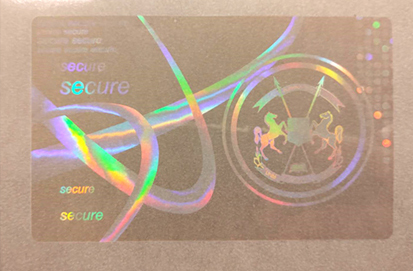
Are your ID cards easily forged or damaged? This compromises security and costs money. A simple hologram sticker1 can solve this problem, protecting your investment and your organization's integrity.
To use a cold sticker hologram overlay2, you simply peel it from its backing and manually apply it over your printed ID card. This adds a durable, secure layer that protects against daily wear and prevents tampering with the personalized information underneath.
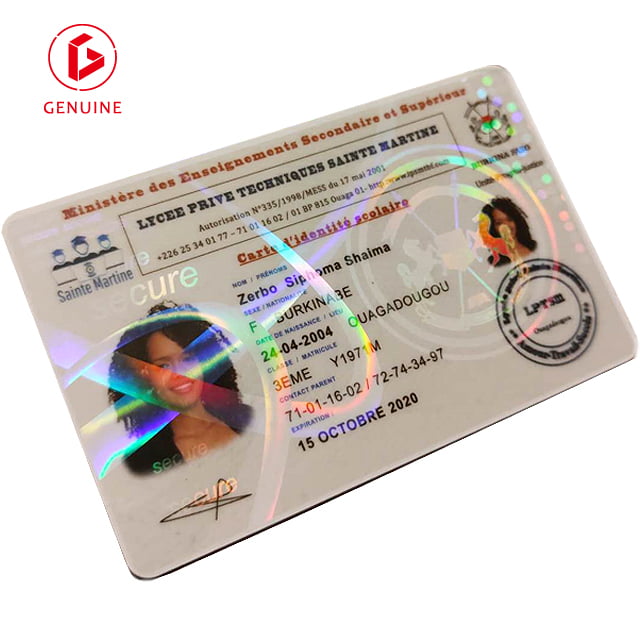
This process sounds simple, and it is. But there is more to it than just peeling and sticking. The real value comes from choosing the right features for your specific needs. Selecting the perfect overlay can make a huge difference in your security level. Let's explore how you can make the best choice for your organization and why this method is so effective.
Why Are These Overlays So Affordable For Small Batches?
Need top-level security but don't have a massive budget? Large orders often get the best prices, leaving smaller organizations behind. Our cold sticker overlays offer a cost-effective solution3, even for smaller quantities.
Cold sticker overlays are affordable because they don't require expensive lamination machines. They are applied by hand, which cuts down on equipment costs. This makes them perfect for organizations needing small, secure batches of ID cards without a large upfront investment.
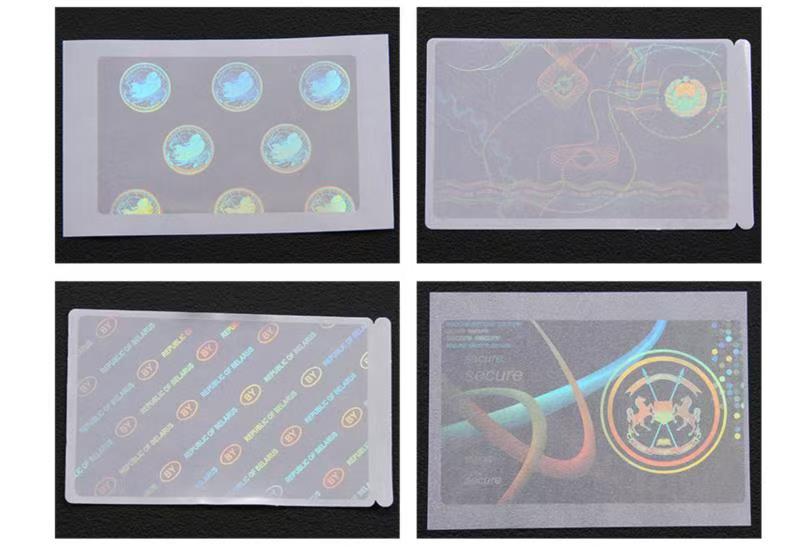
Let's dive deeper into the cost factors. The main reason for the affordability is the elimination of specialized machinery. Traditional hot-lamination overlays require a large, expensive machine that uses heat and pressure. This is a significant capital expense that doesn't make sense for a small batch of, say, 500 or 1,000 cards. I remember working with a local university that needed to issue new IDs for a small summer program. They couldn't justify buying a new laminator. The cold sticker overlay was the perfect solution. They applied them manually, saved thousands on equipment, and still got a highly secure card. This approach keeps the minimum order quantity (MOQ) low, allowing us to serve clients who need high security without a high volume.
Cost Breakdown: Cold Sticker vs. Hot Lamination
| Feature | Cold Sticker Overlay | Hot Lamination Overlay |
|---|---|---|
| Application Method | Manual (Peel & Stick) | Requires a Lamination Machine |
| Upfront Cost | Very Low (No machine needed) | High (Machine purchase) |
| Best For | Small to Medium Batches | Large, Continuous Batches |
| Flexibility | High (Apply as needed) | Low (Requires machine setup) |
| Our MOQ | Small and flexible | Typically much larger |
This makes the cold sticker method an intelligent choice for startups, event organizers, or any department needing a quick and secure solution.
How Do You Customize Hologram Overlays For Maximum Security?
Worried a standard, off-the-shelf overlay isn't secure enough? You should be. Generic patterns are easier for counterfeiters to find and copy. Custom holograms with your unique logo make your cards nearly impossible to fake.
You customize overlays by incorporating unique holographic patterns, microtext4, and even your organization's logo directly into the design. We work with you to create a master hologram that is exclusive to your organization, providing a powerful and unique anti-counterfeiting feature.
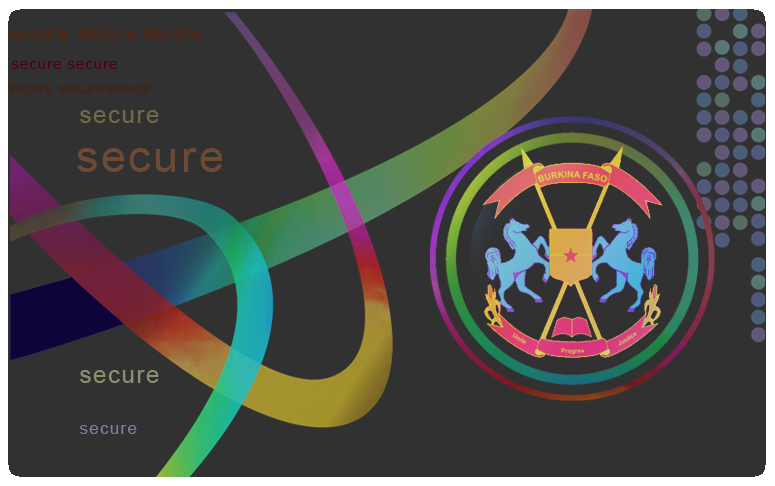
The customization process is where we really add value. It all starts with your vision. We take your logo, name, or any unique symbol and embed it into a holographic master plate. This isn't just a simple print; it's a microscopic etching process that creates stunning 3D and kinetic effects. A few years ago, we helped a corporate client that was having trouble with unauthorized access to their facilities. We designed an overlay that included their logo with a distinct "moving" background. When you tilt the card, the background pattern shifts in a way that is incredibly difficult to replicate. This single feature stopped the fakes cold. We can add multiple layers of security right into the design.
Common Customization Features
- Custom Logo/Text: Your organization's identity is front and center.
- Microtext: Tiny text, often unreadable without a magnifying glass, spelling out a name or code. It is almost impossible for counterfeiters to replicate correctly.
- Guilloche Patterns5: Complex, intricate line patterns that are very difficult to scan or copy.
- Kinetic Effects6: Elements that appear to move or shift as you tilt the card.
- 2D/3D Effects: Holographic layers that create a sense of depth, making your logo appear to float above or sink into the card.
By combining these elements, we create a security feature that is not only effective but also enhances your brand's professional image7.
What Makes a Hologram Overlay an Effective Anti-Tampering Device?
Is the personal data on your ID cards vulnerable? Once an ID card is issued, the printed information like the photo, name, and expiration date can be altered by skilled forgers. A hologram overlay provides a transparent, protective shield that clearly reveals any tampering attempt.
Hologram overlays are effective anti-tampering tools because they are designed to be tamper-evident8. If someone tries to peel off the overlay to alter the card's data, the hologram will self-destruct. This makes the tampering immediately and permanently obvious.
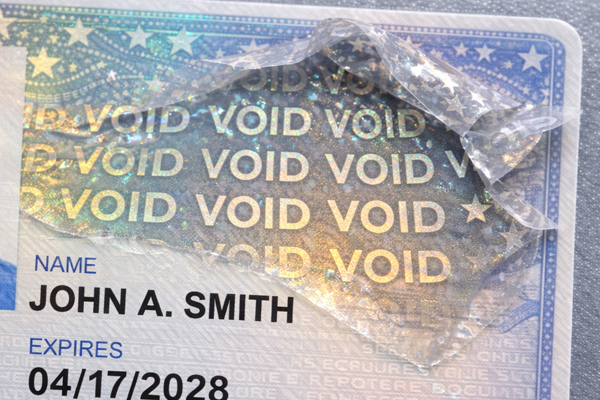
The magic is in the construction of the overlay. We use a special adhesive and a frangible holographic film9. "Frangible" means it's brittle and designed to break apart easily. When someone tries to lift the overlay, it doesn't peel off in one clean piece. Instead, the holographic image separates from the adhesive layer, often leaving behind a specific pattern. I recall a case with a government agency we supply. They used our overlays on permits. An inspector found someone had tried to change the name on a permit. The attempt to peel the overlay left a very clear "VOID" pattern all over the photo. The tampering was instantly visible, and the fraud was stopped. This self-destructing feature is a powerful deterrent because it makes forgery risky and obvious.
Types of Tamper-Evident Features
| Feature | Description | How It Works |
|---|---|---|
| "VOID" Pattern | A hidden word pattern (like "VOID," "OPENED," or a custom word) appears upon removal. | The adhesive is patterned. When peeled, part of the metalized layer remains on the card surface, spelling out the word. |
| Film Fragmentation | The overlay shatters into tiny, unusable pieces when peeling is attempted. | The holographic film itself is scored or made from a brittle material that cannot be removed in one piece. |
| Custom Pattern Release | A custom shape or logo is left behind instead of the word "VOID". | Similar to the VOID pattern10, but the remaining adhesive forms a custom design, offering higher security. |
This tamper-evident8 technology ensures that the information you print on your cards is the information that stays on your cards. It protects the integrity of the document from the moment it is issued.
Can You Add Invisible Security Features to a Cold Sticker Overlay?
Looking for a security feature that is not immediately obvious? Visible security elements are great deterrents, but determined counterfeiters will try to copy them. Invisible features add a covert layer of security that only you can verify, catching forgers by surprise.
Yes, you can absolutely add invisible security features11. We can print your logo or other custom patterns onto the overlay using UV fluorescent ink12. This ink is completely invisible in normal light but glows brightly under a simple UV blacklight, offering a quick and powerful verification method.
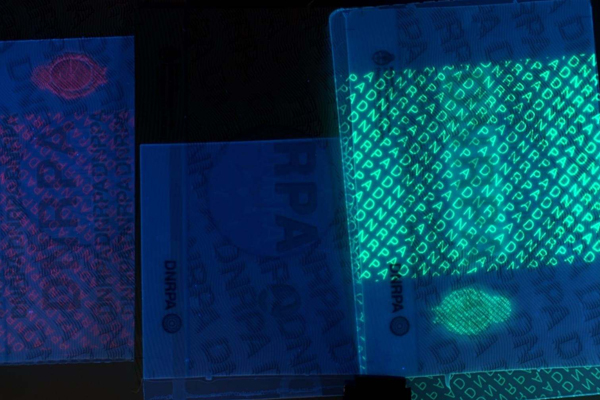
This is one of my favorite security features because it’s so clever. We take your custom design—it could be your logo, a seal, or a specific code—and print it onto the overlay with a special ink. To the naked eye, the overlay looks normal. But when an inspector or a security guard shines a UV light on it, the hidden image instantly appears, often in a bright color like blue, red, or green. We worked with an organization that issues tax stamps. They were concerned about high-quality fakes. We added a UV print of their official seal to their hologram sticker1s. At checkpoints, officials could verify a stamp in two seconds with a small UV keychain light. It's a fast, simple, and highly effective way to confirm authenticity without needing any complex equipment.
Visible vs. Invisible Security Features
| Feature Type | Examples | Pros | Cons |
|---|---|---|---|
| Visible | Holographic effects, Guilloche patterns, Color-shifting ink | Acts as a public deterrent; easy for anyone to see something is there. | Can be a target for replication by skilled counterfeiters. |
| Invisible (Covert) | UV Fluorescent Ink, Microtext | Difficult for counterfeiters to know it exists; requires a special tool to verify, making it highly secure. | Requires a tool (e.g., UV light, magnifier) for verification. |
Adding a UV feature is a smart way to layer your security. It provides a secondary check that counterfeiters who only focus on the visible hologram will completely miss. It’s an extra step that ensures peace of mind.
What Is the Ideal Size and Application Process for These Overlays?
Confused about the right size for your cards? An overlay that is too big or too small looks unprofessional and can be less secure. We provide the perfect size13 for standard cards, ensuring a clean, professional fit every time.
The ideal size for a standard CR80 ID card14 is an overlay measuring 85mm x 53mm. This leaves a tiny, 0.5mm border around a standard 86mm x 54mm card, ensuring easy application and full coverage of important data without hanging over the edges.
Getting the size right is more important than most people think. An overlay that hangs over the edge of a card will catch on things and start peeling. One that’s too small might not cover the person's photo or name completely, leaving it vulnerable. After more than 15 years of supplying government-level projects, we've perfected these details. The 85mm x 53mm size is the sweet spot. It makes application much easier because you have a small margin for error, but it’s still large enough to protect all the critical information. The application process15 itself is straightforward and requires no special training.
Step-by-Step Application Guide
- Prepare the Card: Make sure the surface of the printed ID card is clean and free of dust or fingerprints. A quick wipe with a soft, dry cloth is usually enough.
- Peel the Overlay: Carefully peel the hologram sticker1 from its paper backing. Try to only hold it by the very edges to avoid getting fingerprints on the adhesive.
- Align and Position: Hold the overlay over the card. Start by aligning one edge (for example, the top edge) and slowly lower the rest of the overlay onto the card. The small border makes alignment easy.
- Press Firmly: Once it's in place, use your thumb or a small plastic squeegee to press down firmly. Work from the center out to the edges to push out any air bubbles.
That's it. In under a minute, you have a professionally secured ID card. It’s a simple process that anyone can master quickly, which is why it's perfect for organizations of any size.
Conclusion
In summary, cold sticker hologram overlay2s are an affordable, customizable, and highly secure solution for protecting your ID cards from tampering and wear, suitable for batches of any size.
Hologram stickers enhance security by preventing forgery and tampering, making them essential for protecting ID cards. ↩
Cold sticker hologram overlays provide a durable and secure layer, protecting ID cards from wear and tampering. ↩
Cold sticker hologram overlays eliminate the need for expensive machinery, making them affordable for small batches. ↩
Microtext is a tiny, hard-to-replicate text that adds an extra layer of security to ID cards, deterring counterfeiters. ↩
Guilloche patterns are intricate designs that are difficult to copy, adding a layer of security to ID cards. ↩
Kinetic effects create movement in holograms, making them hard to replicate and enhancing ID card security. ↩
Hologram overlays not only secure ID cards but also enhance the brand's image with custom designs and effects. ↩
Tamper-evident overlays reveal any attempts to alter ID cards, ensuring the integrity of the printed information. ↩
Frangible holographic film breaks apart when tampered with, making forgery attempts immediately visible. ↩
The VOID pattern appears when an overlay is tampered with, clearly indicating unauthorized attempts to alter the card. ↩
Invisible security features like UV ink add covert layers of protection, catching counterfeiters by surprise. ↩
UV fluorescent ink is invisible in normal light but reveals hidden designs under UV light, adding covert security. ↩
The perfect size ensures overlays fit well, protecting all information without compromising the card's appearance. ↩
The standard size ensures overlays fit perfectly, protecting all critical information without hanging over the edges. ↩
A proper application process ensures overlays are securely attached, protecting ID cards from tampering and wear. ↩